Although Las Vegas is known for its hot summers, winter temperatures can drop significantly, making a dependable heating system important for household comfort. Scheduling professional furnace service at least once a year helps identify developing mechanical problems, maintain proper airflow, and reduce the likelihood of unexpected breakdowns.
Why Annual Furnace Service Is Important For Las Vegas Homes
Even systems that operate less frequently can experience component wear and develop airflow restrictions that affect performance. Annual inspections allow technicians to identify these concerns before they become more expensive furnace repair problems.
Las Vegas homes can experience significant dust accumulation due to the desert environment. This makes routine filter inspection, internal cleaning, and airflow evaluation particularly important for maintaining dependable furnace operation.
How Yearly Furnace Maintenance Improves Heating Efficiency
A furnace with dirty components or restricted airflow may require more energy to maintain the desired indoor temperature. During a maintenance appointment, technicians inspect essential operating components and evaluate system performance. These steps help the equipment operate closer to its intended efficiency and reduce unnecessary mechanical strain.
- Improved Airflow: Clean filters and properly functioning blower components support consistent air circulation.
- Reduced Energy Waste: Properly adjusted equipment can avoid unnecessary operating strain.
- Consistent Heating: Maintenance helps identify issues that cause uneven temperatures between rooms.
- Fewer Unexpected Repairs: Early detection can prevent minor mechanical problems from becoming major failures.
What Does A Professional Furnace Service Include?
A qualified technician evaluates the system’s mechanical, electrical, and safety components to determine whether everything is operating correctly. The inspection should follow the manufacturer’s recommendations and account for the specific furnace model and fuel type.
- Filter Inspection: Check the air filter for dust accumulation and restricted airflow.
- Blower Motor: Examine the motor and blower assembly for wear and operating problems.
- Burner Cleaning: Inspect burners for debris, proper ignition, and consistent operation.
- Belts & Moving Parts: Check applicable components for deterioration, looseness, and excessive wear.
- Safety Switches: Verify that protective controls respond appropriately.
- Gas Pressure: Evaluate gas pressure and combustion performance according to manufacturer specifications.
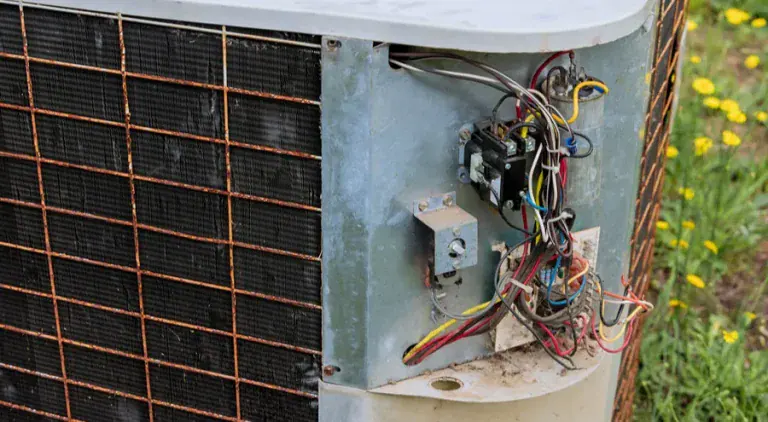
- Electrical Connections: Inspect wiring, terminals, and electrical components for potential problems.
- Thermostat Testing: Confirm accurate temperature readings and proper communication with the furnace.
Carbon Monoxide Testing & Essential Furnace Safety Checks
Gas furnaces produce combustion gases that must be properly vented outside the home, and problems involving the heat exchanger, venting system, or combustion process can create dangerous conditions. Technicians should evaluate combustion performance and check carbon monoxide levels using appropriate testing equipment.
Homeowners should also maintain working carbon monoxide detectors near appropriate sleeping and living areas. If an alarm activates or anyone experiences symptoms consistent with carbon monoxide exposure, leave the property immediately and contact emergency services.
How Regular Furnace Maintenance Protects Equipment Lifespan
Furnaces contain components that experience gradual wear during normal operation. Dirt accumulation, overheating, restricted airflow, and neglected mechanical problems can place additional stress on motors and other equipment. Addressing these concerns through annual maintenance can help extend the system’s useful lifespan.
Although maintenance cannot guarantee a particular number of operating years, it gives homeowners a better opportunity to identify deterioration before complete equipment failure occurs. Older furnaces may require additional attention when recurring repairs or declining performance become noticeable.
Does Furnace Maintenance Affect Warranty Coverage?
Many furnace manufacturers require routine maintenance as part of their warranty conditions. Failing to follow recommended service schedules may complicate warranty claims if an equipment failure occurs. You should review your specific warranty documentation to understand maintenance requirements, coverage limitations, and recordkeeping recommendations.
Keeping service invoices and maintenance records provides documentation that recommended care has been performed. This can be particularly valuable when addressing component failures or evaluating whether a repair qualifies for warranty consideration.
Warning Signs Your Furnace Needs Service Before Its Annual Inspection
Annual maintenance does not mean homeowners should ignore developing problems throughout the year. Changes in heating performance or repeated operating interruptions may indicate that professional attention is needed before the next scheduled appointment.
- Uneven heating or rooms that remain unusually cold.
- Unusual banging, rattling, or grinding noises.
- Frequent cycling or difficulty maintaining thermostat settings.
- Unexpected increases in heating energy consumption.
- Weak airflow coming from supply vents.
- Burning odors or repeated furnace shutdowns.
Schedule Professional Furnace Maintenance In Las Vegas
Annual furnace service helps protect important equipment components and identify potential safety concerns. Scheduling maintenance before winter provides an opportunity to address developing problems before heating demand increases. Contact Discount Air Conditioning & Heating to schedule professional furnace maintenance or discuss furnace repair in Las Vegas, NV. Our team can help keep your heating system operating safely and reliably when cooler temperatures arrive.